If you’ve heard the term “restorative practice” and are interested in bringing it into your classroom but worry it takes special training or has to be part of a schoolwide plan, don’t stress—it doesn’t. If you’re a classroom teacher who wants to help students learn from their mistakes, take responsibility for their actions, and make things right with others, you can start using restorative practices today.
This guide is for those of you who are curious about doing things a little differently without adding more to your plate. It’s about building stronger relationships with your students and creating a classroom where all students feel seen, valued, and heard. Here’s how you can bring restorative practices to your classroom right now.
Restorative Practices in the Classroom
Start with Building Student Relationships
Restorative practices are rooted in relationships built on trust. Focus on building a connection with your students by doing simple things like greeting students at the door by name, checking in on students, asking them how they are doing, and taking time to share a little bit about yourself.
Use those extra moments throughout the day to connect with students one-on-one. Students are willing to open up more when they know you are there to listen and feel a sense of belonging.
Speak from the Heart
A simple way to bring restorative practice into your classroom is by the way you speak and express your feelings. Instead of pointing out what a student did wrong, share how it made you feel. This will show students how their behavior impacts others without shaming them or accusing them.
For example, instead of saying, “You’re being disrespectful,” try, “When you interrupt me in class, it makes me feel frustrated because I’m trying to help everyone understand.” Or “It really helps the group when you share your ideas.”
Using this kind of language helps students build empathy, reflect on their behavior, and understand how their actions impact others. It shifts your role from just being the class disciplinarian to more of a guide that explains, connects, and redirects the student.
Turn Mistakes into Learning Moments
There is no denying that conflict is going to arise in the classroom. When this happens and students break the rules or hurt someone’s feelings, instead of jumping right to punishment, consider having a restorative conversation. For example, ask them:
- What happened?
- What were you thinking at the time?
- Who was affected and how?
- What needs to happen to make things right?
- What can be done differently next time?
These kinds of questions open the door for an honest conversation without letting them off the hook. By taking the time to talk about their choices and actions, it will help them understand them better. It will also help them to take ownership, which is by far better than any lunch or after-school detention can do for them.
Consider Restorative Circles
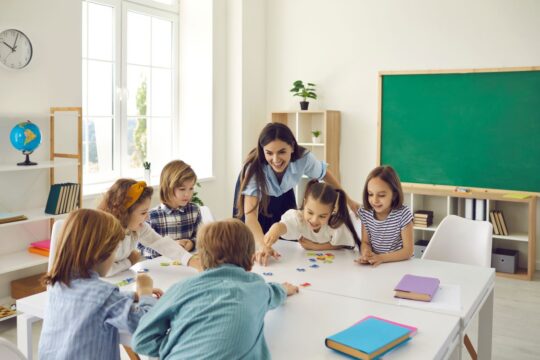
A restorative circle is a structured conversation designed to repair relationships and rebuild trust. It’s a simple, meaningful way to address conflict and strengthen your classroom community.
You don’t need a talking stick (although it’s okay to use one), but you do need to allow all students to express themselves and have a voice. Everyone who has been affected is allowed to share their thoughts without pointing fingers. It’s a time to heal and make things right.
Consider a community-building circle to start each new week. Each week, ask open-ended questions like, “What’s something fun you did this weekend?” or “What’s something that you’re proud of from last week?” This will help set the tone for the week and strengthen relationships. Over time, you may notice students opening up more.
Reinforce Accountability
Restorative classrooms are about addressing issues head-on. They are about prioritizing taking accountability for your actions, repairing, learning, and growing. Help students be part of the process by asking their opinion on what they think should happen after a conflict.
That might mean writing an apology note or checking in on someone they hurt. It also might mean something more meaningful. Oftentimes, you may find students are harder on themselves than you would be. While it’s important to remember it’s not about the punishment, it’s more about the restoration.
It’s All About Progress
There are going to be days that you will lose your patience, and that’s okay because you will also have days where you are calm and respond with thoughtfulness. Your goal is not to be perfect, it’s to keep showing up and trying.
Build in time to reflect on what went well and what you would do differently next time. Have your students reflect too. At the end of each week, ask students to reflect in their journals on topics such as,
- “What’s one thing you learned about yourself this week?”
- “What’s one thing you did to help your class community?”
- “How did you bounce back from a hard moment?”
Restorative practices in school doesn’t require a major shift in behavioral management, just a willingness to try something different. This type of classroom dynamic takes time and patience.
But if you truly believe that your classroom can be a space where all students feel seen, valued, and respected, then each check-in and restorative circle will all be worth it. Remember, you’re not just managing behavior; you’re teaching life skills that will help students become the best versions of themselves for the rest of their lives.
Educators never stop learning; check out our available graduate degree programs to hone your skills and promote lifelong learning and academic excellence.