Strategies for Student Accountability: A Post-Pandemic Guide
The COVID-19 pandemic and the shift to virtual and hybrid learning environments challenged traditional teaching methods, forcing educators to reinvent best practices for student accountability.
While the core principle—committing to learning and growing—remains the same, the methods for fostering it have evolved. This guide provides a comprehensive overview of why student accountability in education is important and offers actionable strategies to promote it in any learning environment.
What is Student Accountability?
Student accountability is a student’s commitment to taking responsibility for their own learning and actions. It is a mindset where students learn to value their work, build confidence, and take an active role in their educational journey.
Fostering accountability from a young age prepares students for life beyond high school, whether they are pursuing higher education, entering the workforce, or a combination of both.
How to Promote Student Accountability in the Classroom
The following strategies are designed to help students develop the essential life skills of time management, self-management, and real-world application of skills.
Create a “Just Right” Learning Environment
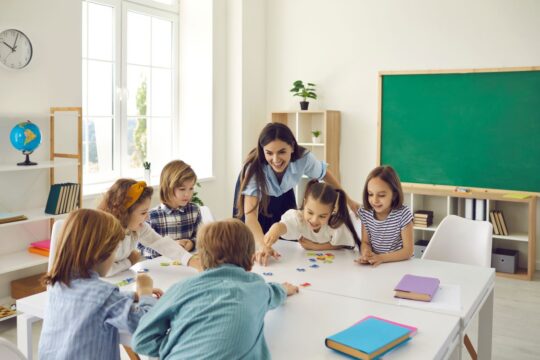
A “just right” learning environment is one that is perfectly suited to your student’s needs. In this environment, students feel connected, trusted, respected, and safe. When students feel a strong sense of community, they are more likely to take responsibility for their actions and behavior, which is essential for a smoothly running classroom management system.
In a trusted environment, students will expect to be help accountable for their actions not only by their teachers but also by their classmates and themselves.
Set Clear Expectations
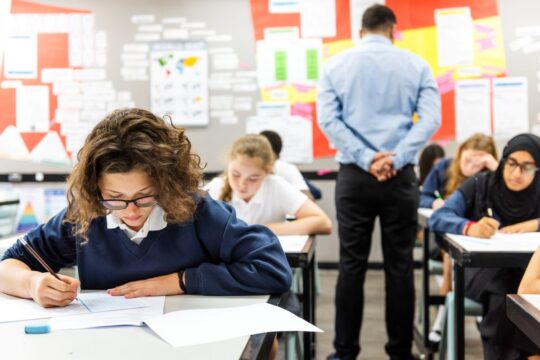
Clear expectations are paramount for holding students accountable for learning and assignments. Providing clear written and verbal directions for all assignments ensures students understand what is expected of them. This is a foundational step in promoting student learning.
- Use Rubrics: Creating rubrics for projects and assessments helps students understand the criteria for success and how their work will be evaluated.
- Define Due Dates: Clear due dates are crucial for helping students stay organized and on top of their assignments. Online platforms, like Google Classroom, can be powerful tools for helping students manage their deadlines.
Foster Student Ownership of Learning
As educators, we need to move beyond excuses and empower students to take an active role in their education. This is an integral part of increasing accountability, as it makes students feel responsible for themselves.
- Give Students a Voice: Involve students in the learning process and allow them to have an active role in decisions about their education.
- Embrace Mistakes as Learning Opportunities: Errors can lead to significant learning. When students hold themselves accountable for their learning, academic and social-emotional growth is inevitable.
Implement Self-Assessment and Reflection
Self-assessment is a major part of learning and is an imperative step in the process of accountability. It encourages students to reflect on their performance and determine their strengths and weaknesses.
- Simple Self-Assessments: At a young age, this can be as simple as an emoji worksheet where a student circles the emoji that shows how they feel about their effort, or a quick thumbs-up/thumbs-down to check for understanding.
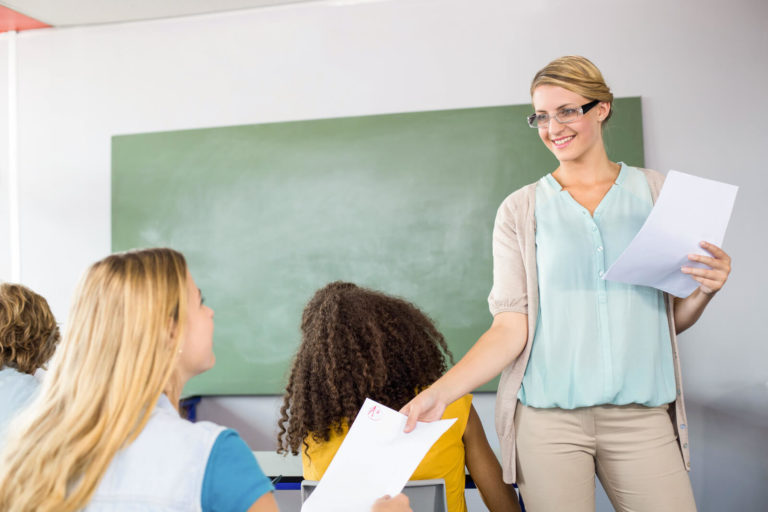
- Formal Reflection Forms: For older students, self-reflection forms after major assessments can help them set goals and determine whether those goals have been met, thereby helping them to be held accountable for their performance.
Partner with Families and Students
A new twist on the standard parent-teacher conference is to involve students directly. Keeping the lines of communication open and involving students in their educational decisions is a great way to increase accountability.
- Support Families: It is vital to create a strong connection between the school and home. Parents and guardians need to feel supported by teachers to provide the help necessary for student success.
- Student-Led Conferences: Involving students in conferences can shed a different light on situations and help them develop ownership over their learning.
As the great Denis Waitley stated, “The greatest gifts you can give your children are the roots of responsibility and the wings of independence.” By implementing these strategies, educators can be a part of giving students the gift of future success through promoting accountability.