The first day of fall is a perfect opportunity to change things up and create lessons that connect with what’s happening outdoors.
We will provide engaging, hands-on activities that blend academics with the season, helping students build observation skills, make learning interactive, and create lasting memories.
- How can I teach students about the autumn equinox?
The first day of fall is a great day to talk about the autumn equinox, which means day and night are almost the same length. You can discuss with students how the Earth’s tilt and orbit around the sun create the seasons. For a deeper lesson, check out this Autumn Equinox Lesson from Science Buddies that provides a hands-on activity for students to investigate seeds in fruit.
- For younger students: Show a quick visual by shining a flashlight on a globe to demonstrate how sunlight changes when the Earth tilts.
- For older students: Provide more details by walking them through the meaning of the equinox. Challenge them to think about how it affects the weather, animals, and daylight.
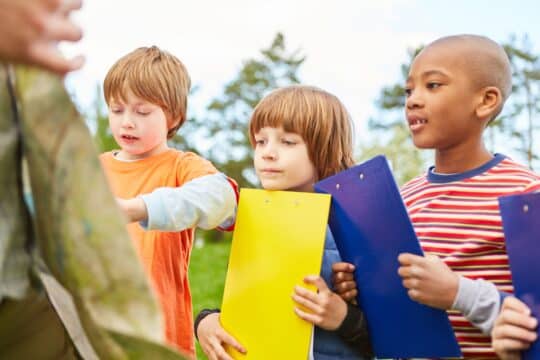
Weather permitting, take the class outdoors and have them write down what they notice in nature in the fall. They may notice the temperature or a change in leaves. Have students compare what they notice now to what they noticed in the summer. This is also a great opportunity to explore the science behind why leaves change colors with a Leaf Pigment Chromatography experiment from Ward’s World.
This will help them build observation skills, a core component of the scientific method, and show them how science is tied to everyday life.
- What are some hands-on math activities for fall?
To help make math a little less intimidating, try to connect it with something real. Fall gives you the perfect opportunity to get outside and gather leaves of all shapes and sizes to use for data collection.
Leaf Data Collection (All Ages):
| Activity | Younger Students | Older Students |
| Data Collection | Sort and tally leaves by color or size. | Gather and sort different colored leaves. |
| Data Visualization | Graph the results on a bar graph. | Create pie charts or bar graphs with their leaf data. |
| Advanced Concepts | Use fall items like apples and small pumpkins for counting, addition, and subtraction. | Use the leaves to work on concepts like averages or probability. For example, have students take turns guessing the probability of choosing a red leaf from a pile. |
You can also use larger fall items like pumpkins for hands-on math. Try taking the seeds out of a large pumpkin and challenge students to guess, then count how many seeds were in the pumpkin. This is not only a fun way to make math interactive but also shows students that math is more than just a textbook subject.
For more ideas, this article on Fall Math Activities from Third Space Learning offers various outdoor math activities for different grade levels.
- How can I use the senses to inspire fall writing?
Fall is the perfect season to tap into your students’ senses because it is full of sensory details. Ask them to think about what fall looks like, feels like, smells like, and sounds like. They may notice the smell of apples, the cool breeze on their face, or the crunch of leaves under their shoes.
Writing Activities:
- Sensory Inspiration: Bring in seasonal items like cinnamon sticks, pumpkins, colorful leaves, or an apple pie. Tell students to use these items as inspiration for a writing activity.
- Acrostic Poems: Have students create an acrostic poem using the words “LEAF” or “PUMPKIN,” where each line can describe something they see or feel during the fall season.
These types of sensory writing activities help students slow down and notice the details of the world around them. For specific writing prompts, this list of Sensory Writing Prompts from Special Ed Resource offers great ideas to help students get started.
- What are some easy fall art projects for the classroom?
Fall art projects are always fun and a great way to tie creativity to the season.
Leaf Rubbing Activity:
- Gather leaves: Collect different colors and sizes of leaves.
- Place the leaf: Put a leaf under a piece of paper.
- Rub with a crayon: Gently rub a crayon over the paper to reveal the pattern and texture of the leaf.
Another fun fall art activity is to create abstract art using fall-colored paper scraps to make fall-themed designs like pumpkins or trees. You can also tie literacy with art by challenging students to create a poem or short story to go along with their art project.
- How can I build classroom traditions on the first day of fall?
Use the first day of fall to create a classroom tradition that builds community and makes students feel included.
- Start a share circle: Everyone shares what they love most about fall.
- Create a “Fall Favorites” chart: Students add their favorite fall food, activity, and memory.
- Begin a “Fall Gratitude Journal”: Students write down what they are thankful for this season.
In Summary
The first day of fall is the perfect time to bring seasonal fun into your classroom while still keeping the focus on learning. By blending academics with the fall season, you are making lessons more engaging and giving students memories that will last a lifetime.
You’ve got important career goals — we have the graduate program to get you there. Check out our available graduate degree programs to advance your career today!